 Daily
Building a Daily Routine Around Walking: The Most Underrated Exercise, on a Normal Week
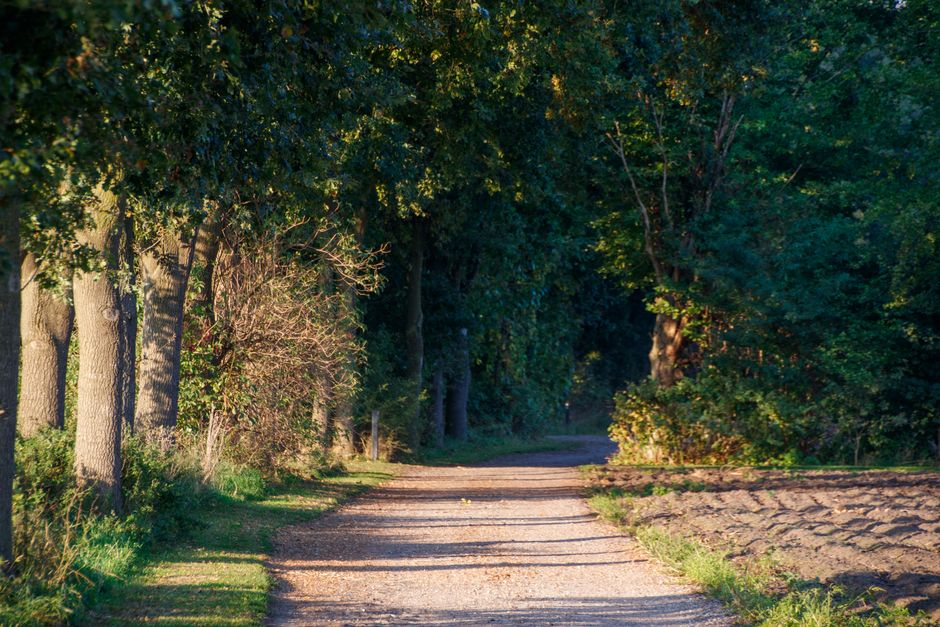
Starting out with walking: the most underrated exercise feels easier once you focus on one small step at a time. None of this is complicated, and none of it needs to be expensive. Below, we break walking: the most underrated exercise down into clear, manageable pieces you can act on today.
Start here
What it does not do is load the muscles enough to preserve strength and bone as ageing continues. Walking plus two short sessions of resistance work covers both, and the resistance part is the one usually missing.
Give yourself room to be imperfect here; a missed day is an event, not a reason to give up.
The first easy step
Walking gets less attention than it deserves precisely because it is available to nearly everyone and requires nothing. It is nonetheless associated with lower risk across a wide range of outcomes, and the association is strongest at the lower end of activity, where the gains from moving slightly more are largest.
The practical takeaway is to keep walking: the most underrated exercise simple enough that it survives a busy week, not just a good one.
Building a little at a time
The ten thousand steps figure began as a marketing slogan for a pedometer rather than as a finding. The research that followed suggests benefits accumulating well before that number, with much of the improvement appearing between very low counts and moderate ones, and diminishing returns beyond.
The goal is progress you can maintain, not perfection you have to chase and eventually abandon.
What to expect early on
The key point is that pace adds something. Brisk walking, at a rate that makes conversation slightly effortful, appears to carry benefits beyond the same distance covered slowly. Adding a hill or a heavier bag increases the demand without changing the activity.
None of this has to happen all at once; even one small adjustment in this area tends to pay off over time. Trusted resources such as MedlinePlus (National Institutes of Health) cover this in more depth.
Simple habits to try
On a day-to-day level, the practical advantage is that walking absorbs into a day rather than competing with it. It combines with errands, phone calls, commuting, and company, needs no recovery, and can be done at almost any level of fitness. Very few forms of exercise survive a busy period as reliably.
It helps to focus on what you can realistically do most days, rather than an ideal you can only manage occasionally.
Practical tips
Some practical points to keep in mind:
- Start small and stay consistent rather than aiming for a dramatic change.
- Protect your sleep, since it quietly makes everything else easier.
- Give any change a few weeks before judging whether it is helping.
- Aim for good enough on busy days instead of skipping entirely.
The bottom line
Take it one small step at a time. The best approach is the one you can keep going with. Start where you are and build slowly from there.
Frequently asked questions
Is this suitable for busy people?
Yes. Most of the ideas here fold into things you already do each day, so they take little extra time.
Is this relevant if I'm just starting out?
Yes. You can begin with one small change and build from there. With walking: the most underrated exercise, steady progress beats trying to do everything at once.
How long before I notice a difference?
It varies from person to person. Give any new habit a few weeks of consistency before deciding whether it is working for you.
What is the single most important thing to focus on?
Consistency. A modest routine you actually keep beats an ambitious plan you abandon after a week.